



Healthcare training has already moved online. Many training providers and hospitals use LearnDash to deliver structured CPD courses and manage learning programs. The LearnDash LMS features become clear in how efficiently these systems handle learner data and course outcomes.
Healthcare organizations in the UK and USA have very stringent compliance guidelines. They need to maintain the records, progress, and reporting in such a manner that it remains clear and understandable. Without the right setup, even a well-structured LMS can feel incomplete.
So, it’s necessary to upgrade your Leardash with the powerful features.
Key LearnDash LMS Features for Healthcare Continuing Professional Development Training
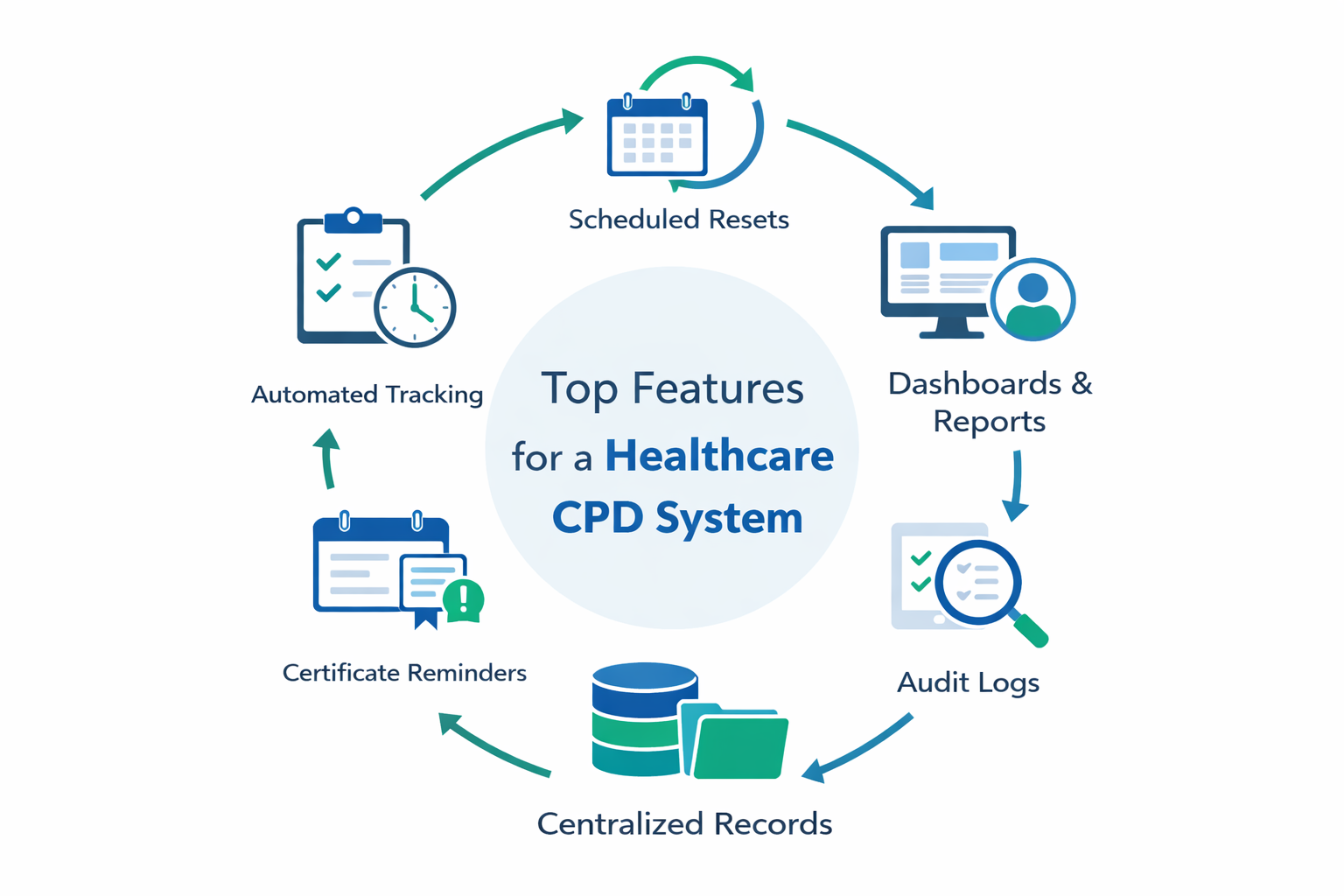
To build an effective healthcare CPD training system, your LearndLMS must include features that go beyond basic course delivery.
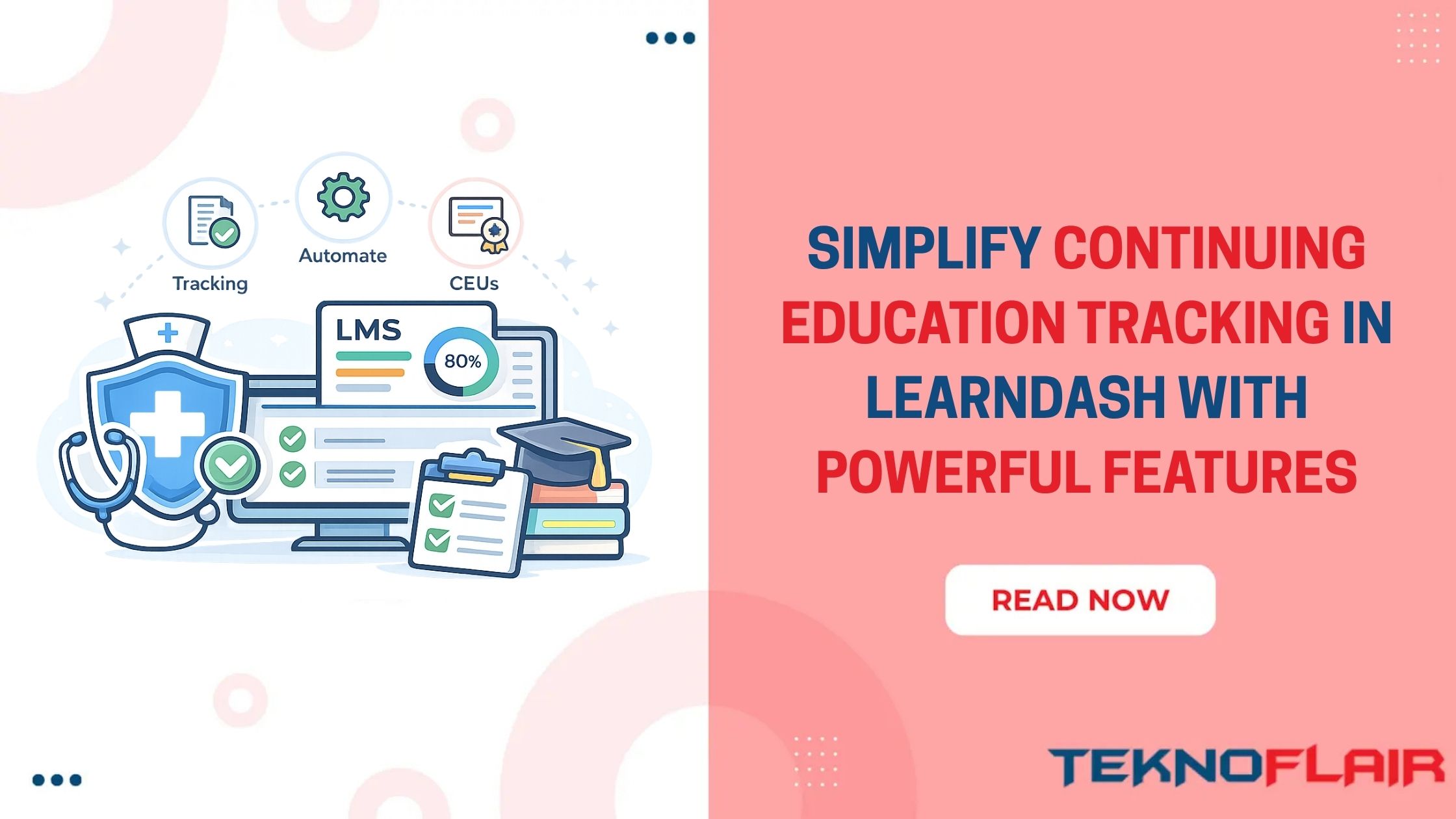
1. Automated CPD and Continuing Education Tracking
A strong LMS must track CPD or CEU hours automatically.
Each course should carry a defined credit value. When learners complete training, the system should update their total hours instantly. This removes the need for manual calculations.
For healthcare training providers, this creates accurate records without extra work. It also ensures that every completed course contributes to compliance requirements.
2. Scheduled Reset for Compliance Cycles
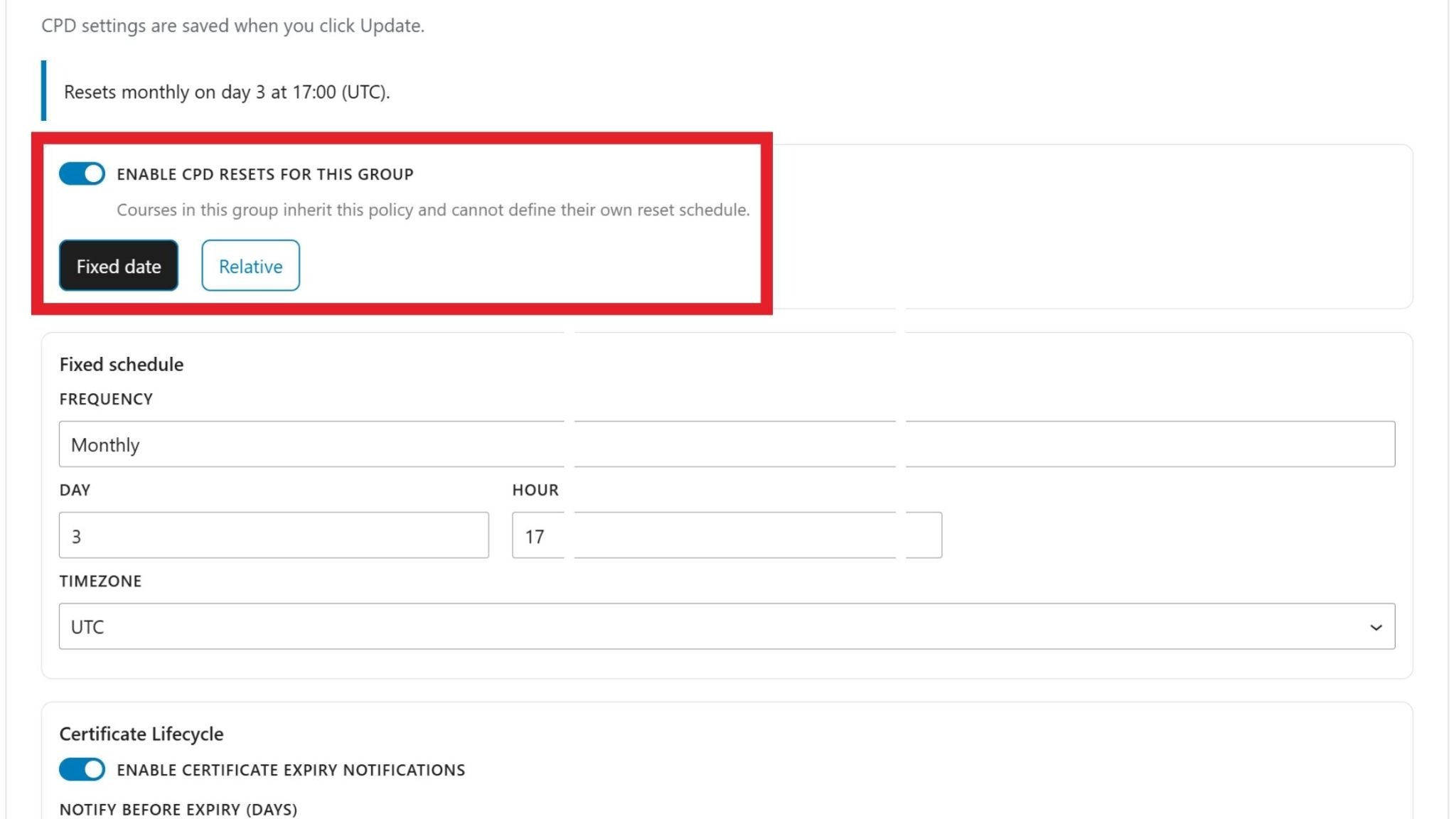
Healthcare training runs in cycles. Many organizations follow yearly or monthly renewal requirements.
An LMS should enable you to reset learner progress in line with a predetermined schedule. This will ensure that each compliance cycle begins with a clean start without requiring human intervention.
For example, hospitals in the UK managing CPD requirements or organizations in the USA managing CEU renewal will be able to automate this process.
3. Certificate Expiration Tracking
7 LearnDash LMS Features for Healthcare CPD Training in 2026
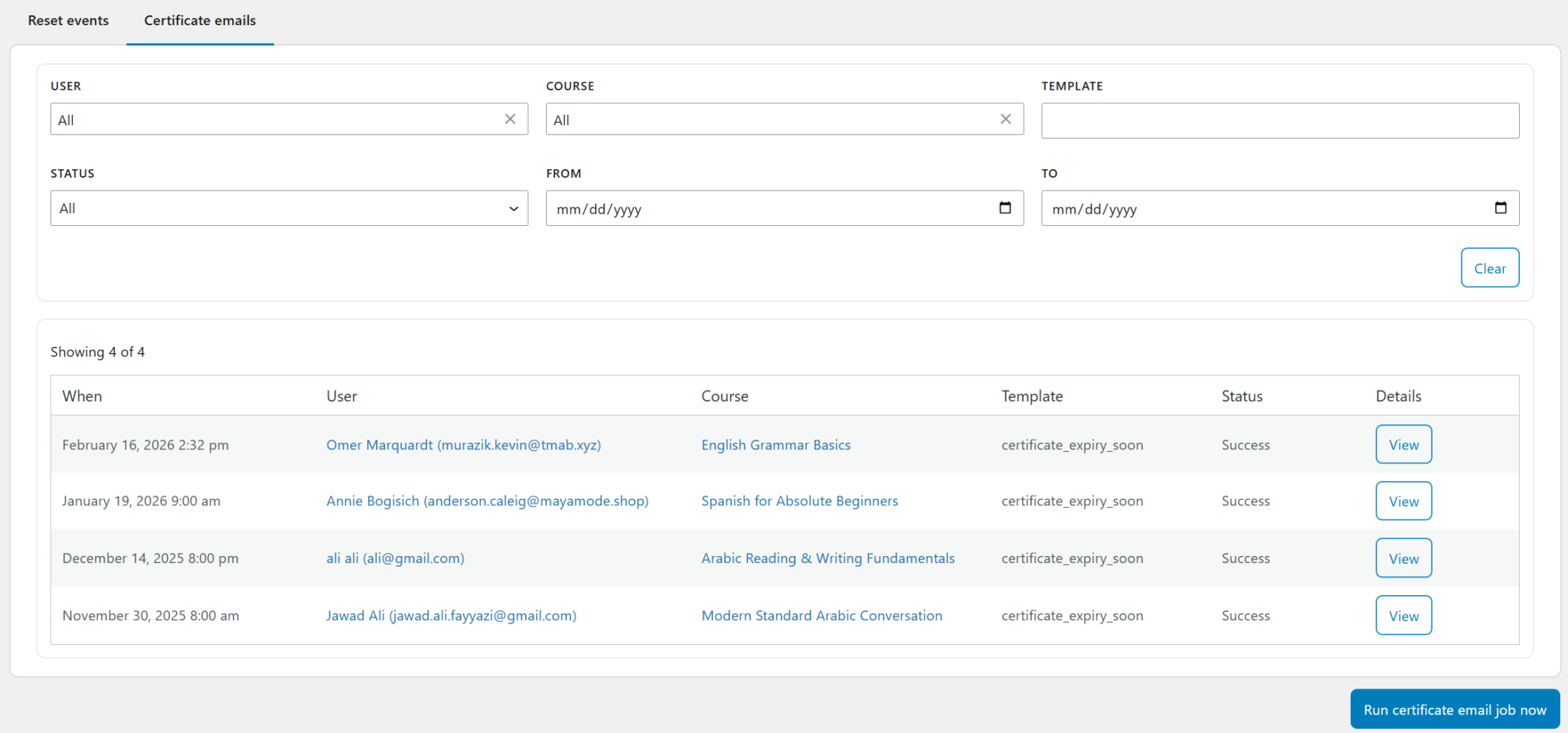
Certificates play a key role in healthcare training. But managing certificate validity can become difficult when records are scattered.
A good LMS should track certificate issue and expiry dates. It should also send email notifications to learners before certificates expire.
This helps ensure staff renew their training on time and keeps certifications valid without manual follow-ups.
4. Centralized Training and CPD Records
Healthcare training involves multiple data points:
- Courses
- Credits
- Certificates
- Completion records
If these are stored in different places, tracking becomes difficult.
An effective healthcare training management system keeps everything in one place. Training providers can access learner records instantly without switching between tools.
This improves accuracy and saves time during audits and reporting.
5. Audit Trail and Compliance Logging
Healthcare organizations must maintain clear records for audits. It is not enough to track completion. You also need to track changes.
An LMS should log:
- Course completions
- Progress resets
- System actions
This creates a complete audit trail. Training providers can review records at any time and provide proof of compliance when required.
For organizations in the UK and USA, this level of visibility supports both internal and external audits.
6. Real-Time Progress Tracking
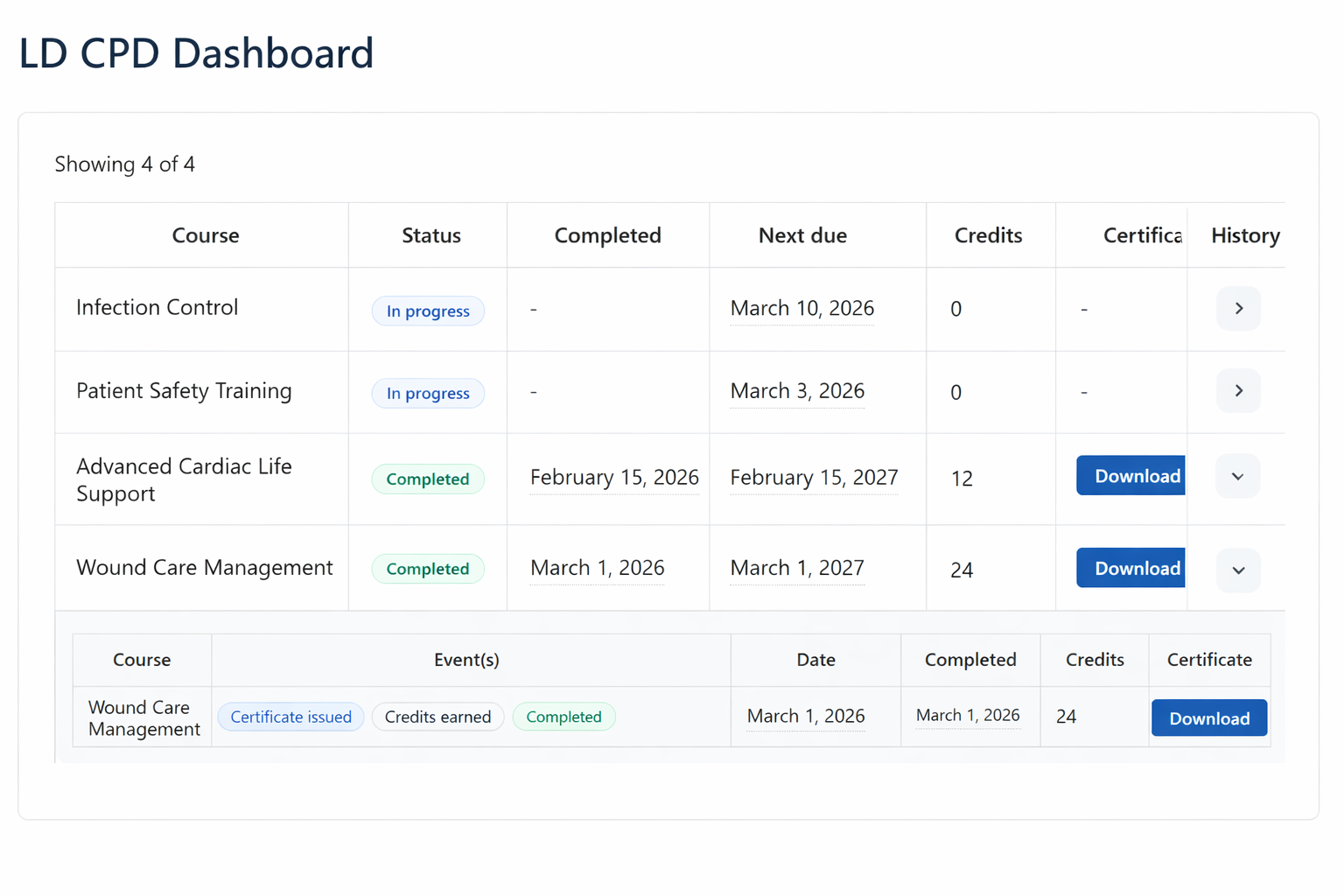
Training teams need to know where each learner stands.
A strong LMS provides real-time visibility of:
- Completed hours
- Remaining requirements
- Progress toward renewal
This helps administrators monitor compliance across departments and take action when needed.
It also reduces uncertainty. Teams no longer need to guess whether learners meet requirements.
7. Admin and Learner Dashboards
Both administrators and learners need access to CPD data.
Administrators should be able to:
- View learner progress
- Access certificates
- Track compliance across groups
Learners should be able to:
- Check their progress
- Download certificates
- View completed training
This improves transparency and reduces communication gaps. Learners stay informed, and administrators spend less time responding to queries.
Real-World Use Case
A healthcare training provider creates courses in LearnDash and assigns CPD or CEU credits. Learners complete their training. The system records their hours automatically. Certificates are stored with their records.
When a compliance cycle ends, progress resets based on the defined schedule. The system tracks every action.
When it is time for audits or license renewal, administrators generate reports instantly. No manual data collection is required.
Key Benefits of LearnDash LMS Features for Healthcare Training Providers
With the right LearnDash LMS features in place, healthcare organizations can:
- Reduce manual tracking
- Improve record accuracy
- Stay prepared for audits
- Avoid delays in license renewal
- Manage certificate validity easily
- Track progress across large teams
- Scale training programs without complexity
This creates a system that supports both learning and compliance.
Complete Your LearnDash Setup with a Powerful CPD Tracking System
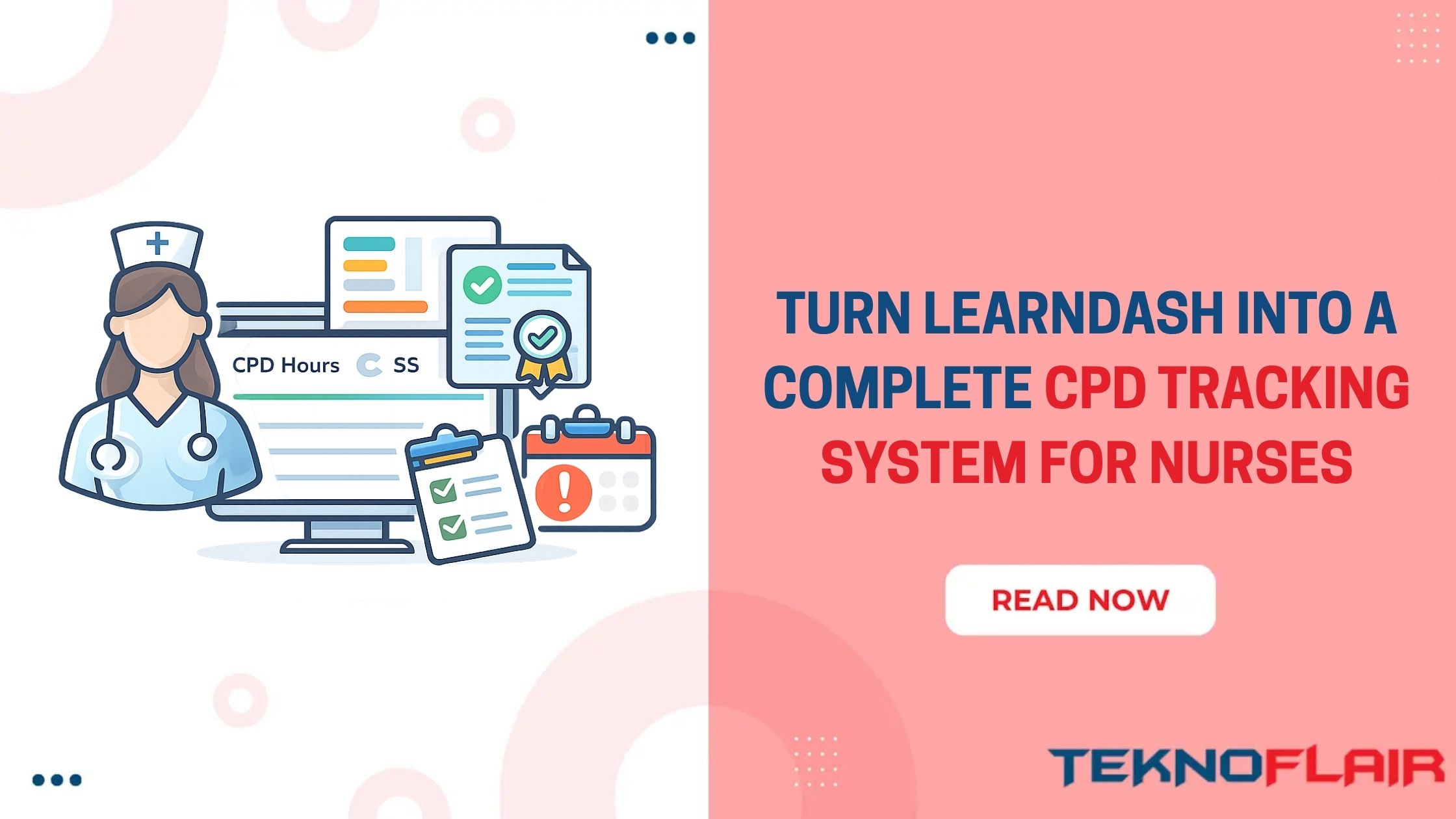
LearnDash is a good option for delivering courses within an LMS. It is useful for organizing and tracking course completion. However, it lacks the necessary features to be CPD compliant. To make LearnDash CPD compliant for healthcare courses, an additional add-on is necessary for the platform. It enables integration between tracking, compliance, and training.
TeknoFlair LearnDash CPD add-on bridges the gap between CPD training and compliance. Organizations can use LearnDash to cover the entire CPD process without having to use other tools.
If your training setup requires custom feature extensions, working with a LearnDash expert or developer can help you build a system that fits your exact CPD requirements.
Want LearnDash to Handle Your Entire CPD Workflow? Read This
Turn LearnDash Into a Fully Automated Continuing Professional Development Management System
